Revitalising Malaysian Tourism Through Wellness, Education & Recreation
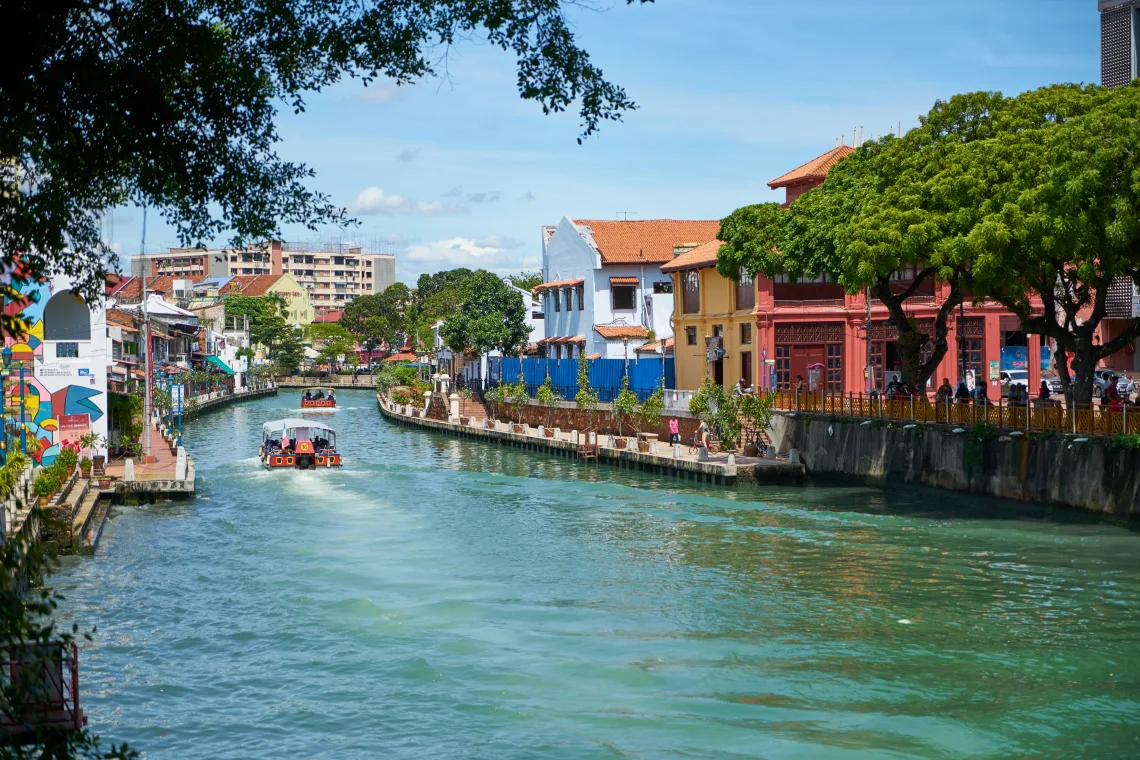
Malaysia has always been a place where the body exhales and the soul remember itself. I’ve felt this walking the misty trails of Penang Hill, listening to monsoon winds sweep across Desaru’s quiet beaches, or sitting with elders in kampungs who speak of health as a way of life. Yet despite its natural gifts, Malaysia has not fully claimed its place as a global leader in wellness tourism — a sector now worth over USD 1 trillion and growing faster than traditional travel.
Malaysia has made progress, but the next leap requires integrating wellness, education and recreation into a unified national identity so that its wish of a tourism renaissance will come true, soon.
Wellness as Cultural Storytelling
Malaysia’s wellness heritage is inherited, not invented. Urut Melayu massage traditions, herbal knowledge and indigenous healing practices are part of the nation’s cultural fabric, yet often hidden behind spa menus. To elevate wellness tourism, Malaysia must tell these stories boldly by creating national wellness trails, training practitioners as cultural ambassadors, and developing immersive experiences such as healing journeys, retreats and intergenerational learning programs. Young people connect best when they understand the story behind the practice — Malaysia’s traditions deserve that narrative power.
Education as Sustainable Tourism
Healthy lifestyles grow from understanding. Malaysia can become a regional hub for health education tourism for families, retirees and corporate groups. This could include university partnerships offering short courses on nutrition, aging well, mental resilience and environmental stewardship; faith-friendly wellness programs; and youth camps blending outdoor adventure with ecology, leadership and emotional health. Imagine students learning marine biology in Langkawi with conservationists or corporate teams practicing stress management through forest therapy in Taman Negara. These are life-shaping experiences.
Recreation That Restores
Tourism often markets recreation as adrenaline, but global trends now favour restorative activities that strengthen the body while calming the mind. Malaysia is well positioned to lead by expanding low-impact adventure tourism — hiking, cycling, birdwatching, kayaking — and developing slow-travel itineraries that encourage reflection and reconnection. Community-based recreation such as batik workshops, farming experiences, and cooking classes can also offer healing rhythms to travellers seeking balance.
Building a National Wellness Identity
To lead globally, Malaysia must move beyond marketing and build a cohesive strategy:
- Strengthen Malaysia’s standing as a “Wellness Nation”
- Think through and execute a unified brand identity
- Roll out incentives for wellness innovation through grants, tax benefits and training.
- Advance and integrate wellness into every tourism touchpoint, from airports to hotels.
- Take advantage of technology and AI to make informed decisions
- Encourage cross-sector alliances with stakeholders e.g. healthcare providers, universities, faith communities, NGOs and artisans.
- Go all out in promoting Malaysia’s wellness tourism globally
- Yoke together international strategic partners to synergise with local stakeholders, with clear messaging that Malaysia is where your body heals, your mind learns, and your spirit breathes.
Why This Matters
The world is tired — emotionally, physically, spiritually. Travellers seek renewal, not just escape. Malaysia’s landscapes, cultures, and people can offer that. Healthy lifestyles are built through environments that invite transformation, and Malaysia can be that environment.
A Future Worth Building
If Malaysia embraces wellness, education and recreation as a unified identity, it will attract travellers, elevate communities, preserve heritage, and strengthen national pride. The next chapter of Malaysian tourism is not about more attractions, but deeper experiences — healing, learning and living well. Malaysia is ready to lead the world into that future.
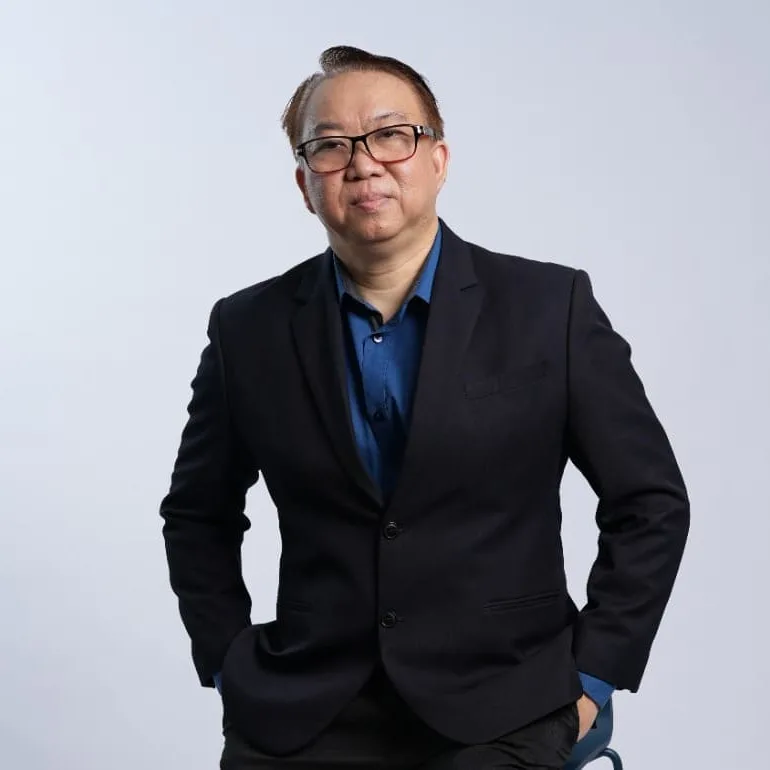
About Dr Thomas Chong
A Yale Publishing Fellow and former Associate Professor, Dr Chong was a Research Fellow under the Civil Service College, Prime Minister’s Office (Singapore) before he became the national Tourism Manpower Director, Singapore Tourism Board (STB) in 2006, overseeing manpower pipelines and issues for the entire tourism sector including those of Singapore’s 2 integrated resorts, Marina Bay Sands and Resorts World Sentosa. Dr Chong represented STB at the ASEAN Ad-Hoc Committee Meeting on Tourism Manpower held in Myanmar in 2006.